Prev: The International Consensus on ANA Patterns (ICAP) in 2021—The 6th Workshop and Current PerspectivesNext: AC-2 Nuclear dense fine speckled
Record 048 · Review · 2020
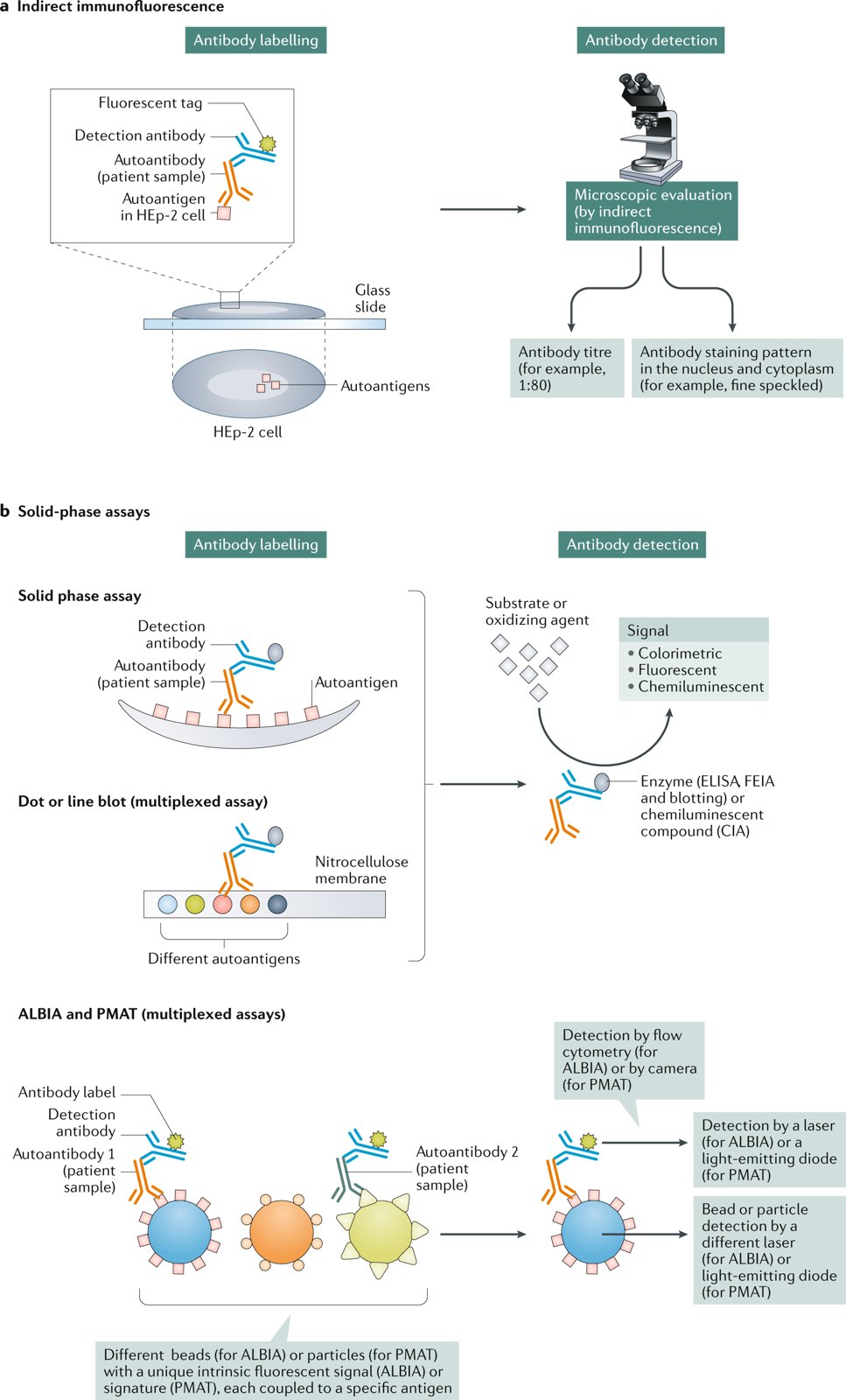
Understanding and interpreting antinuclear antibody tests in systemic rheumatic diseases
Nature Reviews Rheumatology · requested inclusion
“Narrative review of ANA assay techniques (IIF and solid-phase), their advantages/limitations, and how disease context and antibody level affect interpretation. Notes ANA positivity as an entry criterion in 2019 SLE classification criteria and discusses titre-specific information such as likelihood ratios.”
Narrative review of ANA assay techniques (IIF and solid-phase), their advantages/limitations, and how disease context and antibody level affect interpretation. Notes ANA positivity as an entry criterion in 2019 SLE classification criteria and discusses titre-specific information such as likelihood ratios. Candidate notes: ANAs are valuable markers to screen for and support diagnosis of ANA-associated rheumatic diseases. ANA positivity is an entry criterion in the 2019 SLE classification criteria. Specific ANAs (e.g., Sm, dsDNA, SSA/Ro60, U1RNP, topoisomerase I, CENPB, RNA polymerase III, Jo1) are included in classification criteria for other rheumatic diseases. IIF and solid-phase assays each have advantages and limitations; interpretation requires assay performance, disease context, and antibody level. Highlights value of titre-specific information such as likelihood ratios. Limits noted in the record: Review article; full text paywalled in this run—findings from verified EuropePMC abstract (PMID 33154583). A positive ANA is not a diagnosis. Claims in this record are not verified.
A positive ANA is not a diagnosis. Claims in this record are not verified.
source
- ANA_titer
- clinical_utility
- follow_up_tests
- interpretation
- testing_methods
Review
Also in this file
View all in file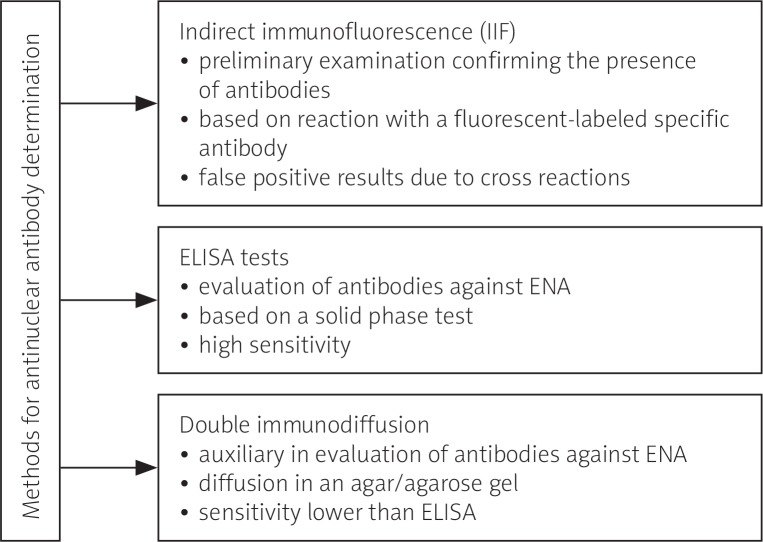 Antinuclear antibodies in healthy people and non-rheumatic diseases – diagnostic and clinical implications00.44.X · Review article
 Clinical relevance of HEp-2 indirect immunofluorescent patterns: the International Consensus on ANA patterns (ICAP) perspective19.45.X · Annals of the Rheumatic Diseases
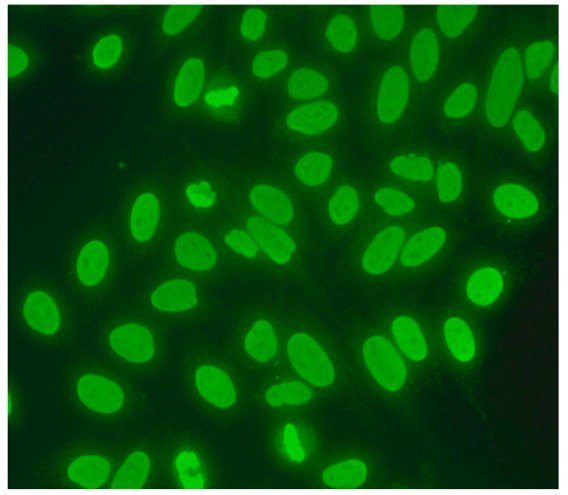 The Art of Interpreting Antinuclear Antibodies (ANAs) in Everyday Practice25.46.X · Journal of Clinical Medicine (MDPI)
 The International Consensus on ANA Patterns (ICAP) in 2021—The 6th Workshop and Current Perspectives22.47.X · Journal of Applied Laboratory Medicine