Prev: The Truth About Walipini and Geodesic Dome GreenhousesNext: Fruit Trenches: Cultivating Subtropical Plants in Freezing Temperatures
Record 066 · Guides · 2021
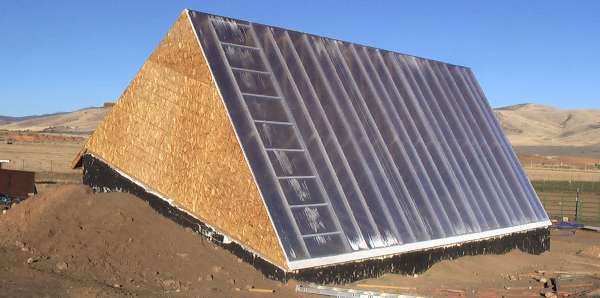
Underground greenhouse: the walipini concept from Bolivia
Horti Generation
“Horticultural blog summarizing Bolivian walipini principles (2–2.5 m depth, N–S orientation, PE/PCSS cover, drainage, ventilation), advantages/limits for Northern Hemisphere,…”
Horticultural blog summarizing Bolivian walipini principles (2–2.5 m depth, N–S orientation, PE/PCSS cover, drainage, ventilation), advantages/limits for Northern Hemisphere, and pointing to Benson Solaripedia PDF and Rob’s modified walipini. Defines walipini as "place of warmth"; inspired by Bolivian high-mountain farmers facing cold/drought/dry air. Lists design features: ~2–2.5 m depth for thermal inertia; south>north orientation in Northern Hemisphere; PE film 180µm/7.2 mil or double-wall polycarbonate; high-drainage soil; ventilation for humidity/temperature control. Links Benson Agriculture and Food Institute 2002 revised Walipini Construction guide on Solaripedia. Concludes concept strong for arid cold mountains near equator; Northern Hemisphere needs enough light and air recycling; hot-humid summers may struggle to dump humidity.
Evidence tier: popular_guide. Industry blog synthesizing secondary sources; advantage/disadvantage table may be abbreviated on fetch.
popular_guide|candidate
- Defines walipini as "place of warmth"; inspired by Bolivian high-mountain far…
- Lists design features: ~2–2.5 m depth for thermal inertia; south>north orient…
- Links Benson Agriculture and Food Institute 2002 revised Walipini Constructio…
Defines walipini as "place of warmth"; inspired by Bolivian high-mountain farmers facing cold/drought/dry air.
Also in this file
View all in file Deep winter greenhouses26.19.G · University of Minnesota Extension
 Deep winter greenhouses26.20.G · University of Minnesota Extension
 Greenhouses for Home Gardeners in Alaska24.21.G · University of Alaska Fairbanks Cooperative Extension Service
 Geothermal Greenhouses: Exploring the Potential21.22.G · National Center for Appropriate Technology (NCAT / ATTRA)