Prev: Longitudinal anti-nuclear antibody (ANA) seroconversion in systemic lupus erythematosusNext: Clinical diagnoses associated with a positive antinuclear antibody test in patients with and without autoimmune disease
Record 034 · Research · 2022
Antinuclear antibody-negative systemic lupus erythematosus: How many patients and how to identify?
Archives of Rheumatology · requested inclusion
“Retrospective review of 617 newly diagnosed SLE patients at a single center found ANA-negative SLE in 2.11% (13/617), significantly more common (7.46%) among patients with prolonged glucocorticoid/immunosuppressant use.”
Retrospective review of 617 newly diagnosed SLE patients at a single center found ANA-negative SLE in 2.11% (13/617), significantly more common (7.46%) among patients with prolonged glucocorticoid/immunosuppressant use. Candidate notes: ANA-negative SLE prevalence 2.11% (13/617) 7.46% in the prolonged glucocorticoid/immunosuppressant-use group vs 1.48% in the non-prolonged-use group (p<0.01) ANA-negative SLE: thrombocytopenia 84.62% vs 34.27% in ANA-positive; low complement 92.31%; anti-dsDNA positivity 69.23% Limits noted in the record: Single-center retrospective design with a very small ANA-negative group (n=13) Prolonged immunosuppressant/glucocorticoid use confounds the ANA-negative phenotype: negativity may reflect treatment effect A positive ANA is not a diagnosis. Claims in this record are not verified.
A positive ANA is not a diagnosis. Claims in this record are not verified.
source
- follow-up-testing
- negative-ana
- positive-ana
- systemic lupus erythematosus
Research
Also in this file
View all in file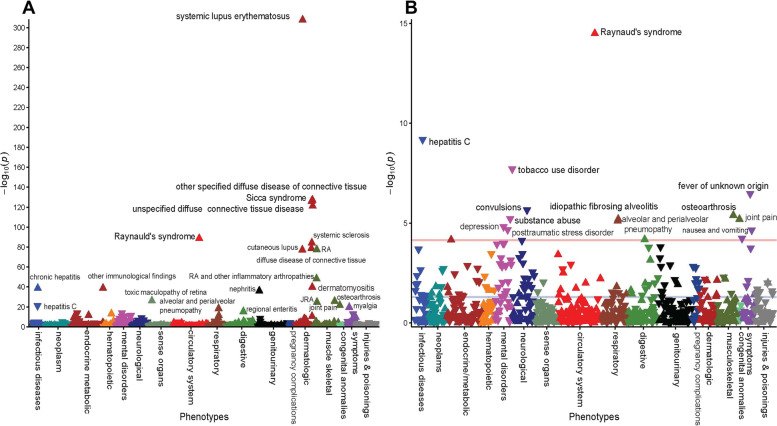 Clinical diagnoses associated with a positive antinuclear antibody test in patients with and without autoimmune disease23.35.E · BMC Rheumatology
 High concomitance of disease marker autoantibodies in anti-DFS70/LEDGF autoantibody-positive patients with autoimmune rheumatic disease08.36.E · Lupus
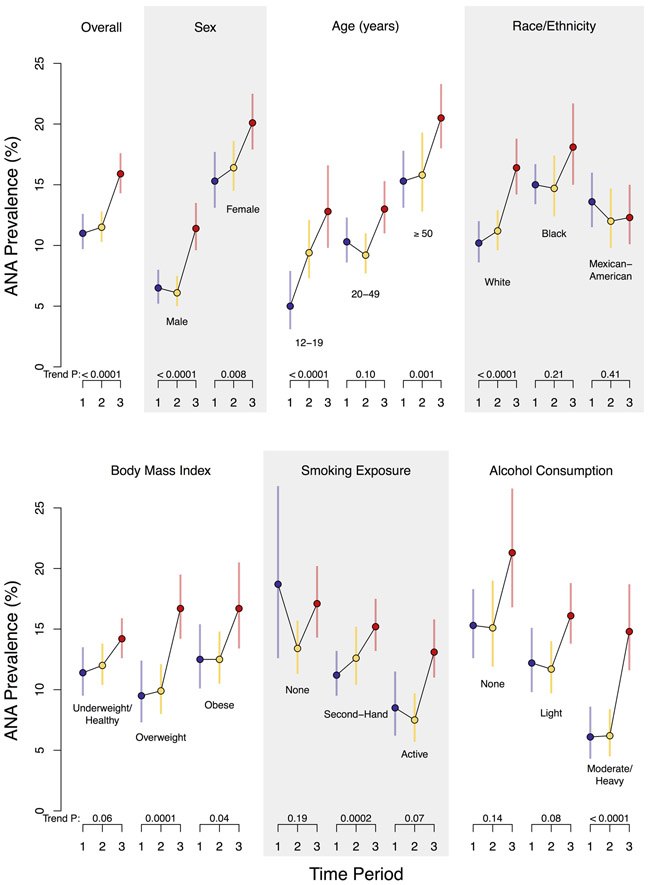 Increasing Prevalence of Antinuclear Antibodies in the United States20.37.E · Arthritis & Rheumatology
 Longitudinal anti-nuclear antibody (ANA) seroconversion in systemic lupus erythematosus: a prospective study of Swedish cases with recent-onset disease19.38.E · Clinical and Experimental Immunology